.png)






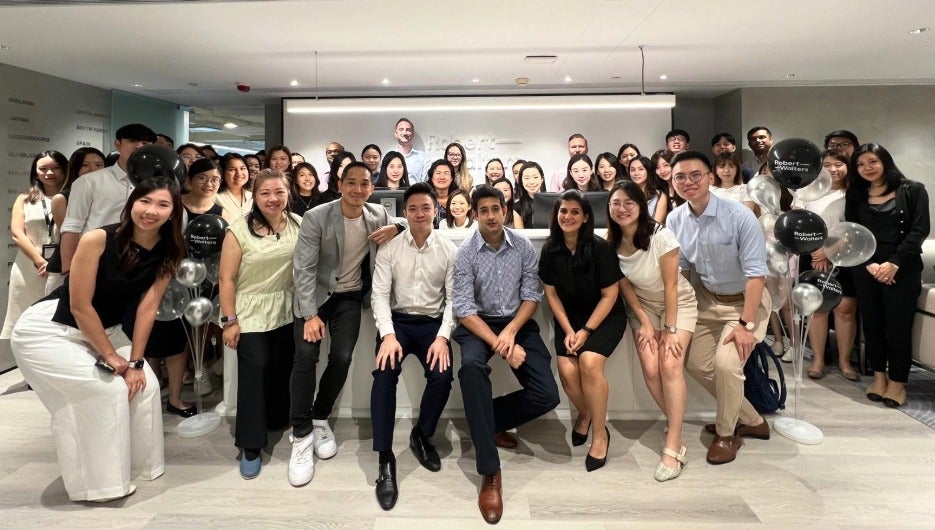

Leading a Multi‑Generational Workforce
As people around the world live and work longer, today’s workplaces are more age-diverse than ever before. It’s increasingly common to see baby boomers (born 1946–1964) working alongside members of Gen Z (born 1997–2012), creating a uniquely multi-generational workforce.
While this dynamic presents new challenges—such as navigating age-related bias and differing communication styles—it also offers significant advantages. Multi-generational teams bring together a wealth of perspectives, skills, and life experiences, sparking greater creativity, innovation, and problem-solving. In addition, knowledge sharing between generations can support smoother leadership transitions, with experienced professionals mentoring and guiding emerging talent.
Embracing age diversity isn’t just about inclusion—it’s a strategic advantage. Organisations that foster age-inclusive cultures strengthen their internal capabilities while enhancing their appeal to top talent and clients who value diversity and innovation.
Download the e-guide to learn:
- How demographic changes are transforming Hong Kong’s businesses and workforce
- Common challenges in managing a multi-generational workforce
- Each generation’s expectations, preferences and work styles
- Strategies for building resilient, age-diverse teams
Complete the form on the right to gain access to the report today.
Related articles
View All
Insights into Generation Alpha and the workforce evolution The next generation is on the horizon, and they’re set to reshape the workplace as we know it. Born into a digital first world, Generation Alpha will bring fresh perspectives, new expectations, and unique skills to your organisation. But how
Read More
The technology hiring market gained strong momentum in Q3, with investment banks, trading firms and insurers driving demand for specialised technology talent. Beyond increased hiring activity, organisations are rethinking how technology teams are structured as AI becomes more deeply embedded across
Read More
What sets great CFOs apart and where talent is heading Traditionally, the CFO has been responsible for the numbers, but there is a growing expectation for them to influence future direction. Today's CFO serves as a strategic partner to the CEO, driving transformation and playing an essential role in
Read More