.png)







Communicating in a multi-generational workforce: a real-world look through expert perspectives
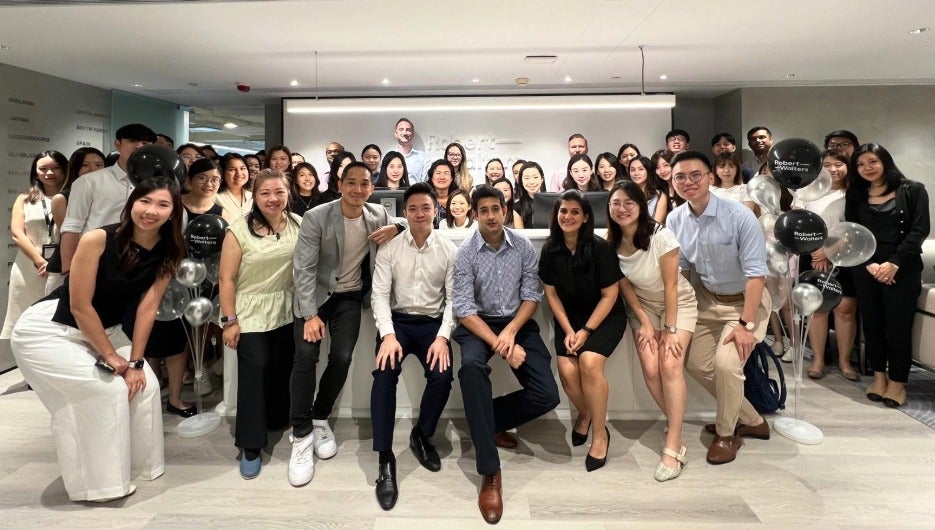
At our recent executive forum, we sat down with industry leaders to discuss how organisations can move past "age-based labels" to build truly resilient teams. We were joined by Iris Lee (General Manager, Hong Kong and Macau, The Coca-Cola Company), Kris Lui (Executive Council Member, HKIHRM), and Yanki Fung (Health and Benefit Consultant, Mercer).
During the discussion, we asked a panel of Hong Kong business leaders to name their primary challenge in managing a multi-generational workforce, the majority answer was Communication.
From Baby Boomers to Gen Z, each generation brings its own communication preferences, expectations and unspoken norms. These differences, influenced by changing technologies and cultural shifts, can sometimes result in friction, misalignment or missed chances to collaborate effectively.
Fostering trust through intentional leadership
Iris and Kris, as business and HR leaders, noted that bridging communication gaps requires a commitment to two fundamentals: open-mindedness and active listening.
Iris advocates for a model of "radical mutuality" where the leader takes the first step toward understanding the other person's perspective.
To move the focus from business outcomes toward building trust of the working relationship, Iris regularly asks her team members—regardless of seniority—a simple question:
Is there anything you want me or the team to do more of, or do less of?
This approach acknowledges that different generations have different motivations. The objective is not to force everyone into a single communication style, but to foster the flexibility required to ensure a message is truly received.
A perspective from Gen Z
Yanki, representing the emerging workforce on our panel, shared a real-life example of how these "life motives" clash in the workplace.
Her team had prepared an exhaustive digital deck for a client, designed for autonomous review. However, the client insisted on a Zoom meeting to walk through the exact same data. "We wondered why we needed to repeat the information," Yanki reflected. "But I realised that the real-time conversation gave her something a document couldn't: confidence and reassurance."
Building a resilient workforce
Bridging communication gaps starts with small, intentional shifts. When teams become more curious about each generation’s preferred style, conversations become clearer, collaboration feels smoother, and trust grows naturally.
As Kris notes "I think all generations have one common need: being valued. Everyone wants to be valued and respected, regardless of their generation."
Communication is, however, only one piece of the puzzle. To turn generational diversity into a strategic advantage, leaders must look deeper into the expectations and work styles of a six-generation workforce.
Find out more
Download the e-guide: leading Hong Kong’s multi-generational workforce
Inside, you will find:
- How demographic changes are transforming Hong Kong’s businesses and workforce
- Common challenges in managing a multi-generational workforce
- Each generation’s expectations, preferences and work styles
- Strategies for building resilient, age-diverse teams
Related Content
View all resourcesHuman-centric leadership can sound like a broad concept. In practice, it often comes down to the small behaviours that shape how people experience your leadership every day. Here are five ways to put it into practice. 1. Create clarity, even when you can’t provide certainty You won’t always know wha
Read More
Leadership has never been just about expertise, experience or having the right plan. When change is constant and uncertainty is part of everyday working life, how you lead people matters just as much as the decisions you make. Human-centric leadership shifts the focus from the leader to the people t
Read More
Talent acquisition is generally understood as the longer-term process of identifying the capabilities an organisation may need, understanding where those skills can be found and building an approach to reaching and hiring them. Recruitment typically forms one part of that process and often begins on
Read More